How a PIN Protected Digital Card Stays Private
Send a pin protected digital card when your words are meant for one person. A simple layer of privacy makes a thoughtful gesture feel more personal too.
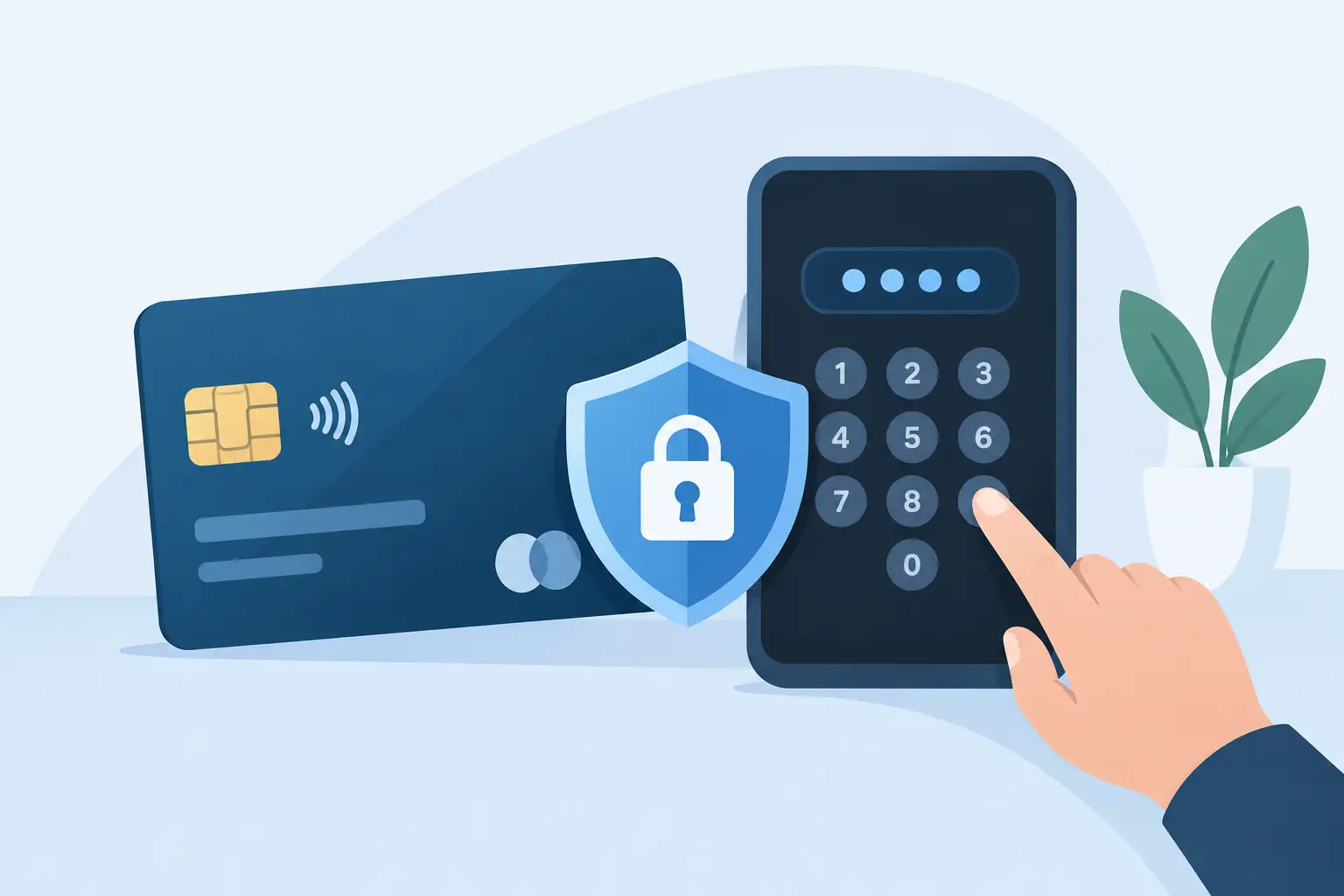
Some messages are meant to be opened in a quiet moment, not glanced at on a crowded train or passed around in a group chat. A pin protected digital card gives a personal note a little more space to belong to its recipient.
That can matter when you are sharing a love letter, a birthday card with photographs, an apology, a difficult encouragement, or words you would rather not leave visible on a shared phone. PIN protection is not about making a gesture feel formal or secretive. It is a small, considerate boundary around something personal.
What a PIN protected digital card does
A PIN protected card is a digital greeting card that requires a short code before its contents can be viewed. You still send it as a private link, often by text or WhatsApp. But when the recipient opens the link, they enter the PIN you have chosen before seeing the card, message, photos, or music inside.
The process is simple: create the card, choose a PIN, and share the code separately or in the same message when that feels right. The recipient does not need to download an app, make an account, or learn a new system just to receive a thoughtful note.
This extra step will not suit every occasion. A cheerful thank-you after dinner may be better left open and immediate. But when the content is more intimate, the small pause before opening can make the experience feel intentional. It says, quietly, this was made for you.
When a PIN adds real care
Privacy is personal. For some people, it means protecting a romantic message from curious roommates. For others, it means keeping a surprise from being discovered on a family tablet. The value of a PIN depends on the relationship, the message, and the recipient's everyday circumstances.
A PIN can be especially useful for a card that includes up to six personal photos. A few chosen images can turn a birthday greeting into a small archive of a year together, or make a long-distance anniversary feel closer. They can also be sensitive. A code gives the recipient a little control over when and where they revisit those memories.
It is equally helpful for messages that carry emotional weight. Perhaps you are reaching out after a hard season. Perhaps you are naming a feeling that is easier to write than say aloud. Perhaps the card is for someone beginning a new job, moving away, grieving, or making a change they have not shared widely. The words do not need to be dramatic to deserve discretion.
There is also something lovely about using a familiar PIN reference. It could be the date you met, the month of a shared trip, or a number only the two of you would recognize. Keep it easy enough to enter without frustration, but avoid anything too obvious if the card contains details you genuinely want to protect.
A PIN is privacy, not pressure
A protected card should never feel like a test. If your recipient is likely to be confused by a code, tell them what to expect in the message you send with the link. A line such as, “I made this for you. The PIN is our first coffee date: 0614,” is clear, warm, and personal.
If you are sending the link and PIN in the same chat, the protection is mostly about avoiding accidental viewing after the card is opened. If you send the PIN through a separate channel, it adds another layer of privacy. Neither choice is inherently better. Use the approach that matches the level of sensitivity and the ease your recipient needs.
How to create a card worth protecting
The best digital cards do not try to say everything. They make room for one true thing. Start with the feeling you want the person to have when the card opens: seen, celebrated, steadied, missed, forgiven, invited.
Choose a design that supports that feeling rather than competing with it. A soft Aquarelle-style card can hold a tender note without making it overly sentimental. A darker botanical design can feel considered and romantic. A restrained, editorial layout may be right for a coworker, mentor, or friend who appreciates a simple gesture.
Then write as you would speak when you are not rushing. Specific details make a card feel like it could belong to only one person. Instead of “Hope you have a wonderful birthday,” try, “I still think about the way you made everyone stay for one more song last summer. I hope this year brings you more nights like that.”
For a card that needs privacy, it helps to keep the opening gentle. Do not begin with a heavy announcement unless that is truly what the moment calls for. Let the recipient arrive in the card before asking them to hold something meaningful.
If you add photos or a song, use them with a light hand. One song that recalls a shared drive can be more moving than a long playlist. A few photos with a real story behind them are often enough. Multimedia should deepen the message, not distract from it.
At WishRise, Premium cards include optional PIN protection, up to six photos, a song, and downloadable keepsake files for CHF 1.99 per card, with no subscription. Those details are useful because they let a digital gesture stay personal without turning it into a complicated project.
Sharing the link with care
Delivery is part of the card. A link sent with no context can feel abrupt, especially if the message inside is vulnerable. Give the recipient a small invitation to open it.
For a romantic card, you might say, “For later, when you have a quiet minute. I made something for you.” For a friend going through a difficult week: “No need to reply right away. Just wanted you to have this.” For a surprise: “Open when you are somewhere comfortable. The PIN is in my next message.”
Timing matters too. A card sent at midnight may be perfect for a birthday, but less ideal for a message that asks for emotional attention. If you do not know when someone will be free, let them know there is no urgency. A private card can be opened when they are ready, which is one of the kindest things about the format.
Keep the code simple and thoughtful
Avoid using a PIN that exposes private information on its own, such as a full birth date or a home address number. A shared reference is usually better. You might use the month and day of a favorite concert, a meaningful page number, or a number paired with a clue in your message.
Do not make the recipient guess excessively. A thoughtful detail becomes less thoughtful when it turns into a puzzle. If there is any chance they will not remember, include a gentle hint or send the code plainly.
The limits of PIN protection
A PIN adds a helpful layer of access control, but it cannot control what happens after the card is opened. A recipient can still take a screenshot, save photos, or show the card to someone else. That is not a reason to avoid private cards. It is simply a reason to share with the same judgment you would use in any personal conversation.
It also helps to remember that privacy can mean different things to different people. Some recipients may love the ceremony of entering a code. Others may prefer a card they can open in one tap. If ease matters more than discretion for this particular person, an unprotected card may be the more caring choice.
A good rule is to protect the message when the protection serves the person receiving it, not just the person sending it. Thoughtfulness is not about adding features. It is about noticing what will make someone feel comfortable, seen, and free to receive what you mean.
The right words can arrive in a minute and stay for much longer. When they are meant for one person, a little privacy can help them land exactly where they belong.